Cash & Savings
Identify all chequing and savings accounts. Ensure that "Right of Survivorship" is clearly designated for joint accounts to bypass probate requirements.
Checklist DetailsA technical guide to methodically allocating financial, physical, and digital holdings within the Canadian legal landscape. Execute your transition strategy with mathematical precision.
Effective estate distribution in Canada requires more than a simple list of beneficiaries. It demands a structured hierarchy of transfers that accounts for liquidity, tax liabilities under the Canada Revenue Agency (CRA), and the specific nature of modern assets. Without a clear framework, executors often face delays during the probate process, which can take anywhere from 6 to 18 months depending on the complexity of the holdings.
This guide outlines the critical steps for categorizing your estate into actionable segments. By separating liquid capital from fixed real estate and volatile digital assets, you provide your executor with a functional roadmap. We utilize the Estate Administration Tax protocols to ensure that every dollar transferred is optimized for minimum erosion.
Identify all chequing and savings accounts. Ensure that "Right of Survivorship" is clearly designated for joint accounts to bypass probate requirements.
Checklist DetailsReview RRSP, RRIF, and TFSA beneficiaries. Direct designations on these accounts allow assets to flow directly to beneficiaries outside the will.
Tax ProtocolsNon-registered brokerage accounts are subject to capital gains tax upon the "deemed disposition" at death. Calculate these liabilities in advance.
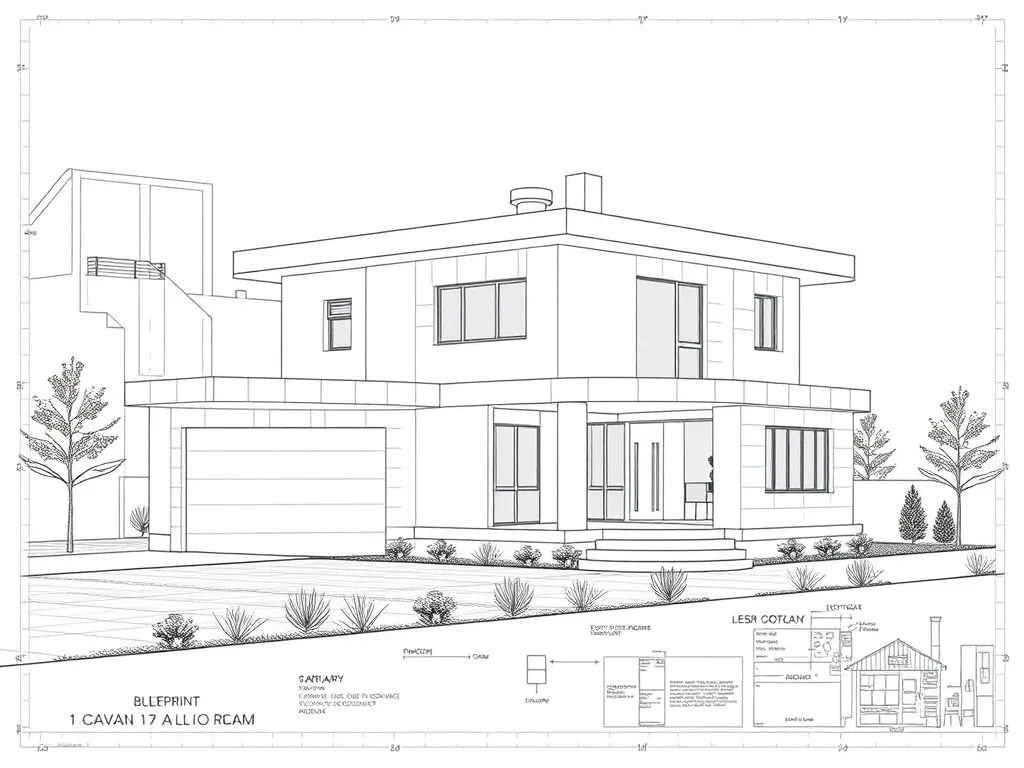
Planning GuideThe transfer of physical property is the most common source of legal friction. You must specify the method of transfer to avoid the "Principal Residence Exemption" being misapplied or lost during the transition.
Modern estates contain intangible value that is often overlooked. Without explicit instructions and access protocols, these assets may become permanently inaccessible.
Store private keys in a secure physical location. Do not include keys directly in the will; instead, reference a "Letter of Instruction" for the executor.
Domains, social media accounts with monetization, and digital copyrights must have a designated "Digital Executor" to manage transfers.
Trusts are not just for the wealthy; they are functional tools for protecting minor children, managing spendthrift beneficiaries, and reducing tax exposure.
Once a week we send a digest of the best articles.
Technical Planning Principle
In many Canadian provinces, "Wills Variation" legislation allows spouses and children to challenge a will if they feel they haven't been adequately provided for. Consult a professional to ensure your reasons are documented and legally defensible.
All outstanding debts, including taxes, funeral expenses, and loans, must be paid by the estate from available assets before any distributions are made to beneficiaries.
Review your asset allocation every 3 to 5 years, or immediately following major life events such as marriage, divorce, or the acquisition of significant new property.
Download our comprehensive administrative checklist to begin the data collection phase of your estate planning.